
.avif)
Say the name Daylesford to anyone who has spent time in the Cotswolds and you will get a reaction. Sometimes it is admiration. Often it is a raised eyebrow, or a comment about the price of the sourdough. Very few places in British food provoke an opinion this quickly, and almost none of them are farms.
That is the interesting thing about Daylesford. Everyone has a view about the shop. Hardly anyone talks about the farm, which is the part that came first and the part that makes the rest of it possible.
Farm & Manor visited.
THE ORIGIN
Carole Bamford started converting the family land to organic methods in the mid seventies, long before there was a market that would reward her for it. The reasoning was domestic rather than commercial. She wanted to know what her family was eating.
What existed at the time was a dairy herd and a few fields of seasonal vegetables. The Soil Association partnership followed in 2001, and the first farmshop and cafe opened in 2002, on the estate near Kingham in Gloucestershire.
It is worth being clear about what that certification involves, because the word organic gets used loosely. Soil Association certification means annual inspection, no synthetic pesticides or fertilisers, restrictions on veterinary treatment, and standards on how animals are housed and fed. It is an audit, not a claim, and it can be withdrawn.
Twenty odd years later the estate runs to around 1,700 acres. It is one of the largest organic farms in the country, and the shop that started as a place to sell surplus has become one of the most visited in Britain.
THE FARM
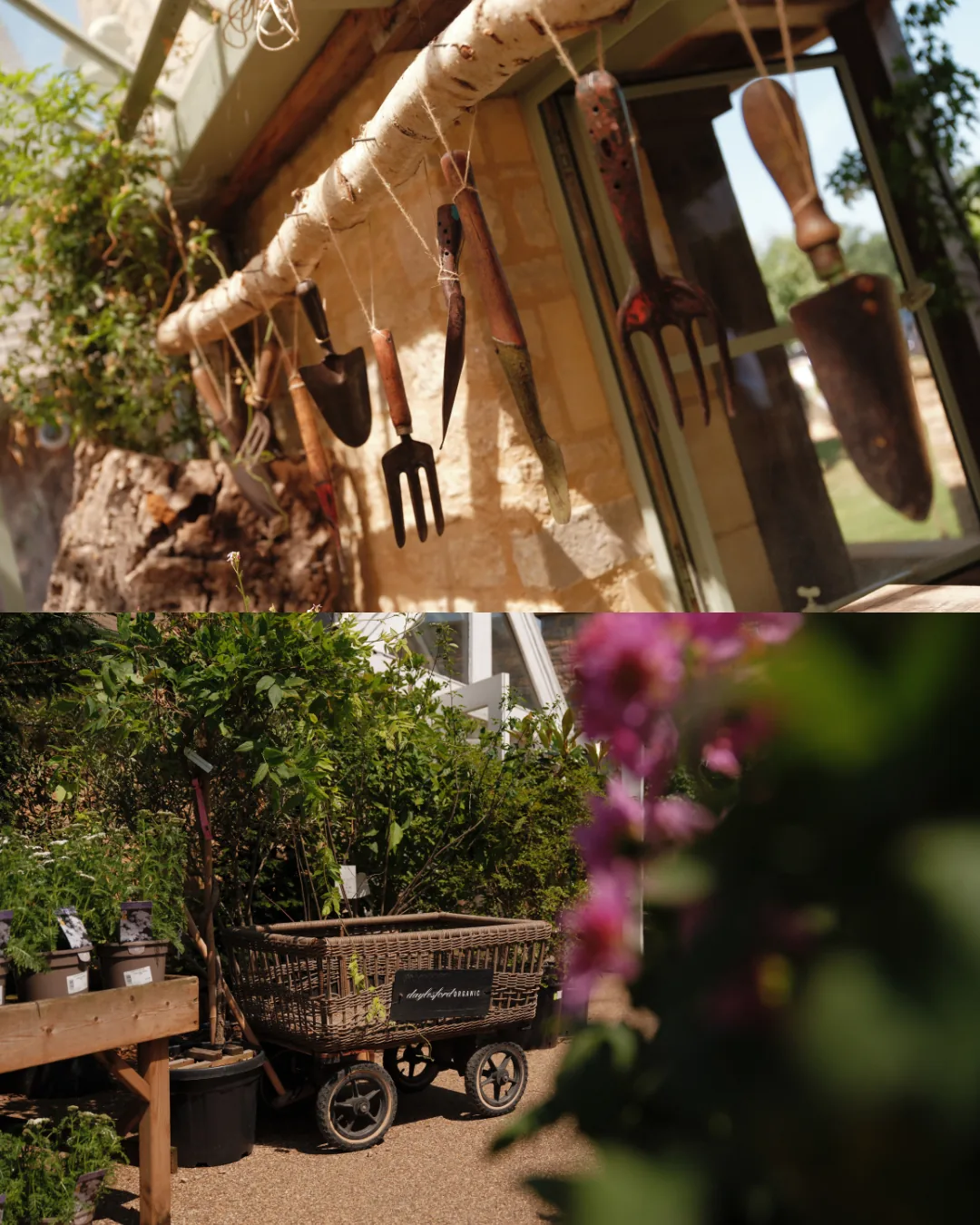
The market garden covers 28 acres and grows something in the region of 300 varieties of fruit and vegetables across a year. That number is worth pausing on. A commercial grower supplying supermarkets might work with a fraction of that, because uniformity is the whole business model. Growing 300 varieties is a decision to accept complexity, and it exists here because the kitchens and the shop can absorb whatever the season produces.
The creamery sits a short walk from the milking parlour. The milk comes from a herd of pedigree British Friesians alongside rare breed Gloucesters, a native cattle breed that very nearly disappeared in the twentieth century. A small team turns that milk into butter, yoghurt and cheese on site.
There is a bakery. There is also an abattoir, which is the least glamorous fact about Daylesford and possibly the most telling one. Most farms that sell meat send their animals away to be killed, sometimes hours away, because the small local abattoir network in Britain has been closing for decades. Keeping one on site is expensive and unfashionable. It also means the animals do not travel.
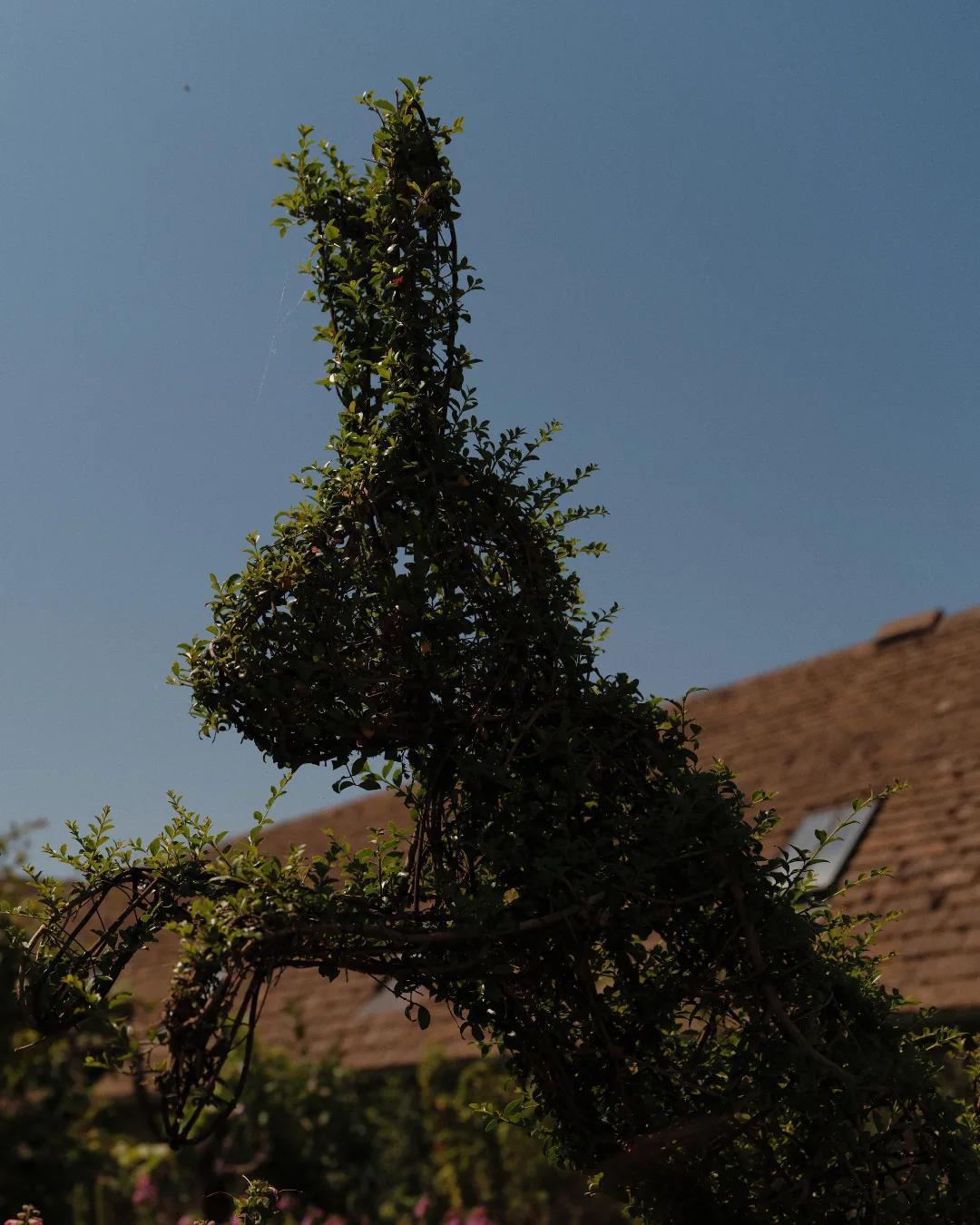
Put those pieces together and you have something closer to a self contained agricultural system than a shop with a farm attached.
One more detail about the garden. Growing 300 varieties is also a hedge. Plant a single variety of anything and a bad summer can take the lot. Plant twenty and something will come through. That is not a marketing position, it is what farmers did routinely before the supply chain rewarded uniformity, and watching it come back is one of the quieter arguments for this kind of agriculture.
THE SHOP
The farmshop opens at eight in the morning six days a week. Inside there is a butchers counter, a deli, a creamery counter, produce boxes, bread, wine, spirits, tea, coffee, honey, chutney, and a pet food section that is somehow entirely in keeping.
Walk into an ambitious farm shop anywhere in Britain today and you are standing in a room Daylesford drew first. The open kitchen, the produce stacked rather than shelved, the cheese counter treated with the seriousness of a jeweller. It has been copied so widely that the look now reads as generic, which is a strange fate for something that was genuinely new in 2002.
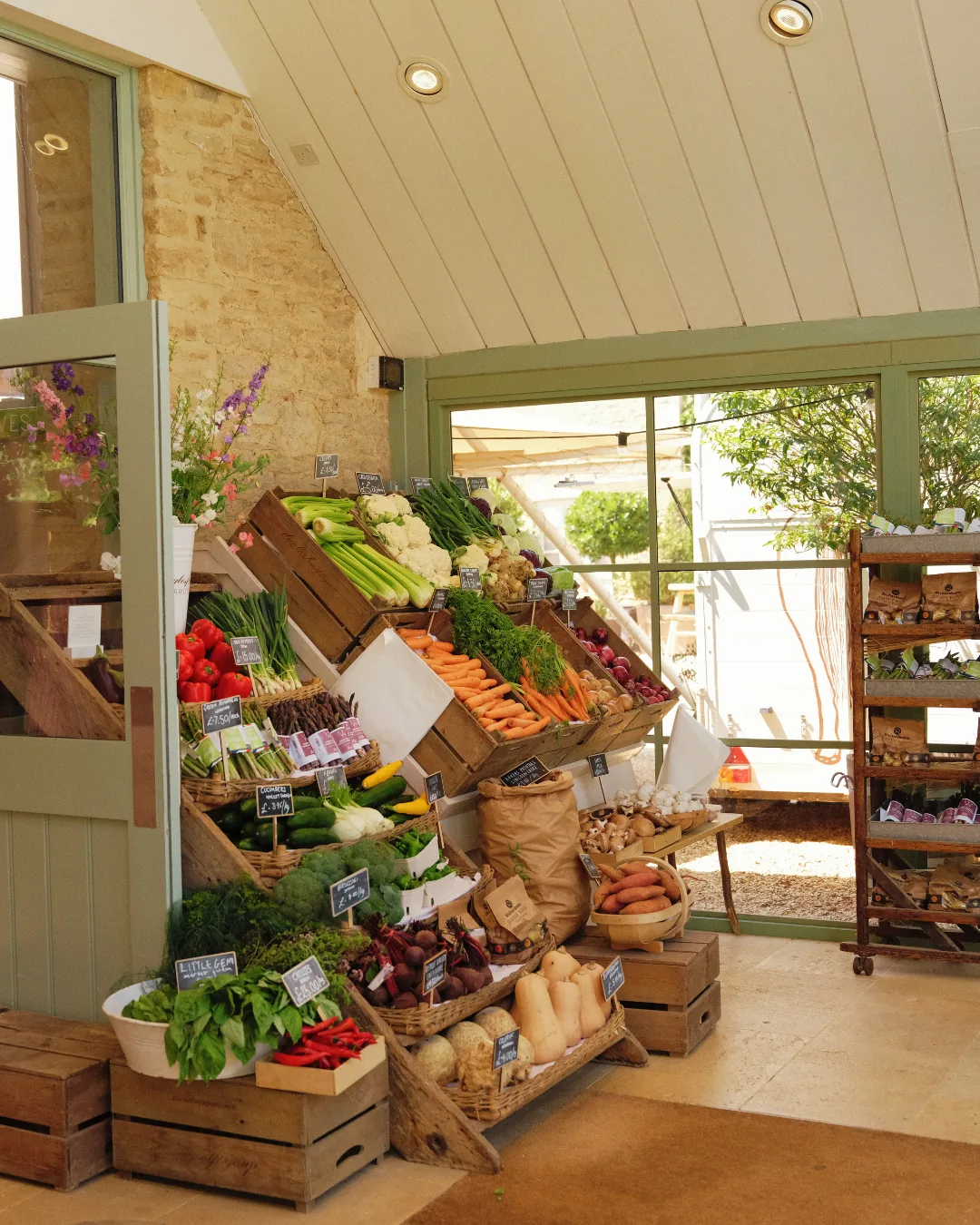
The difference, and it is not a small one, is that most of the imitators never had the farm. They had a supplier list and a good typeface.
You can test this quite easily. Ask where the milk came from. At most farm shops the honest answer involves a wholesaler and a lorry. Here the answer is a field you can see from the car park, which is either a triumph of integrated agriculture or an unusually effective piece of theatre, depending on how generous you are feeling.
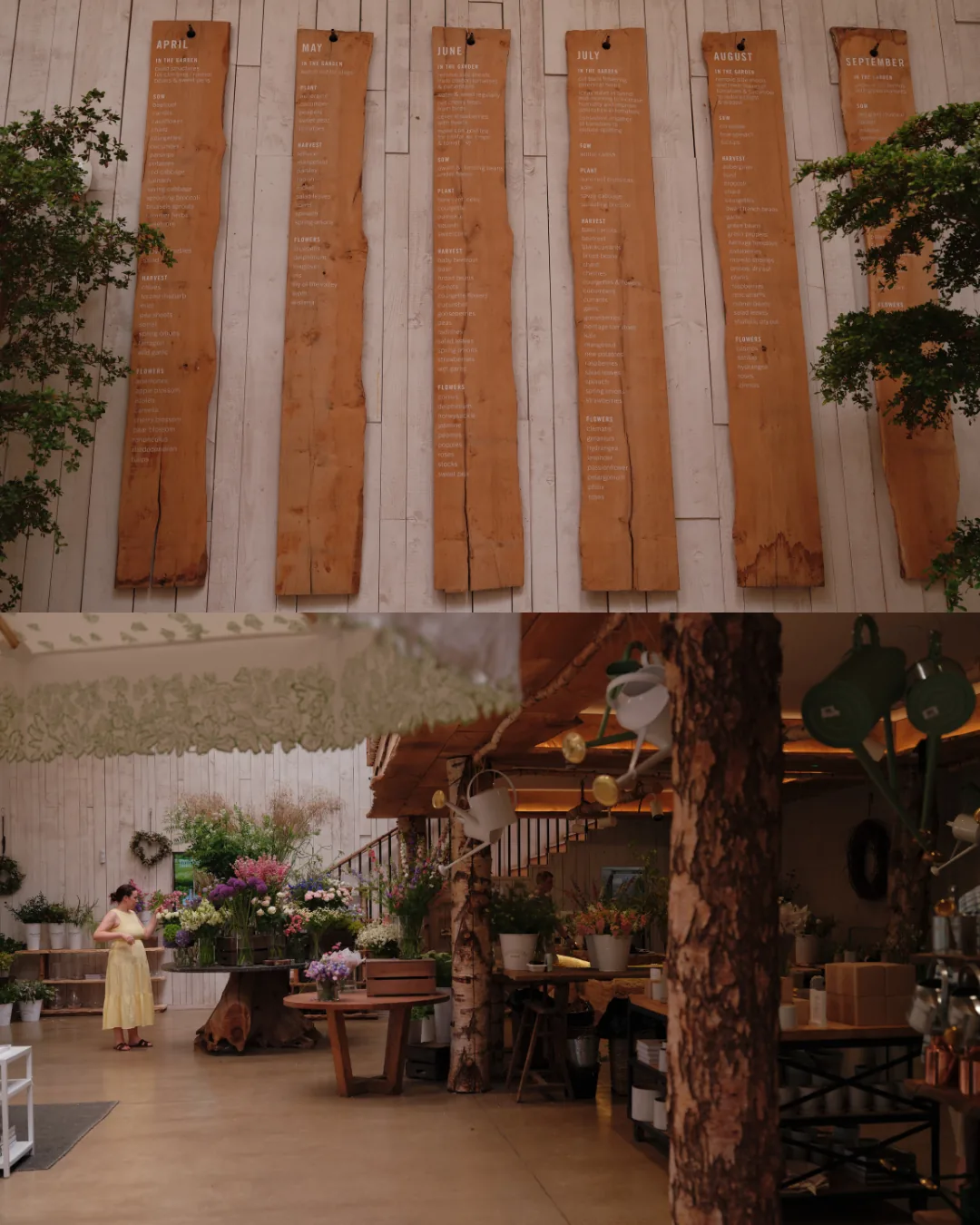
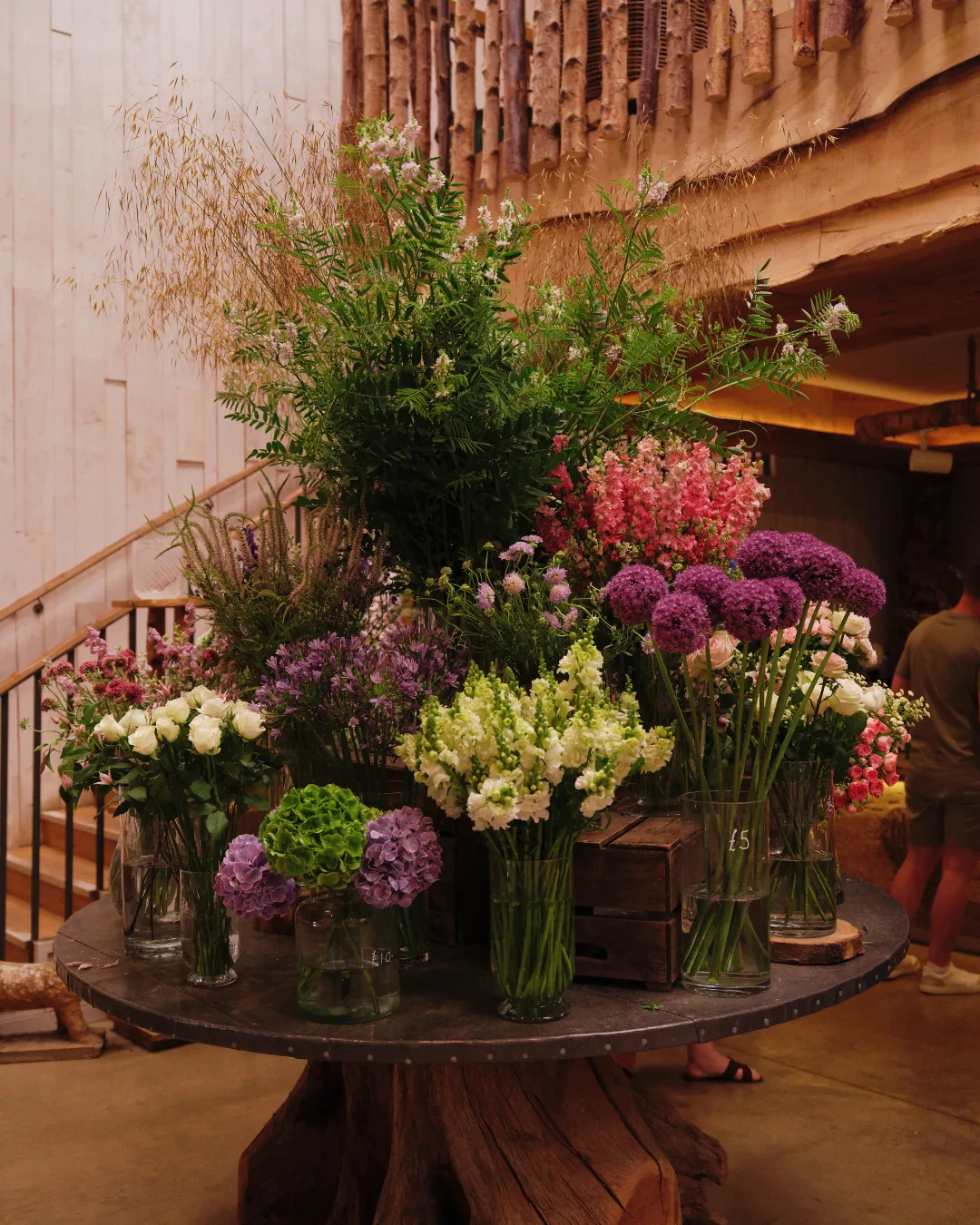
The flower room is worth the detour on its own. Cut stems by the bucket, arranged on a round table under a ceiling hung with birch, priced in a way that suggests somebody upstairs knows exactly what they are worth.
We came away thinking it is mostly the former, though the theatre is undeniably good.
THE TABLE
The Trough, the restaurant at the farm, holds a Green Michelin Star and has done for three consecutive years. Michelin gives that award for sustainable practice rather than cooking alone, and there are only around thirty one restaurants in the UK holding one, so it is a meaningful thing to have kept hold of.
The cookery school runs on the same site, teaching the kind of seasonal cooking that only really makes sense when the ingredients are growing a few hundred metres away.
What is served changes with what the garden is producing, which sounds like a marketing line until you consider the 300 varieties and realise the kitchen has very little choice in the matter.
WHERE YOU SLEEP
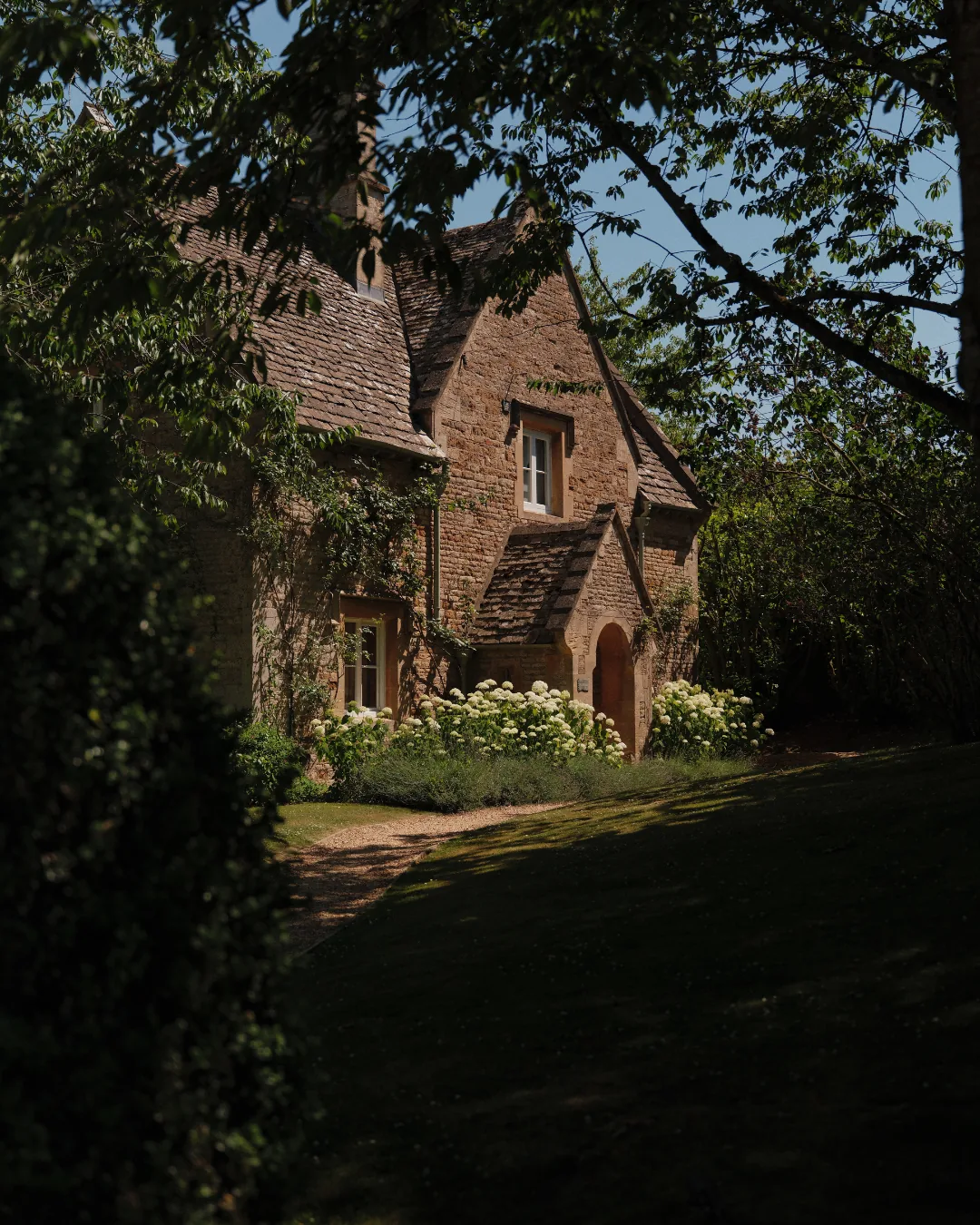
Four inns sit within reach of the fields. The Wild Rabbit opened in 2013 and is the one most people have heard of, joined by The Fox, The Bell and The Three Horseshoes. There are cottages on the estate itself for anyone who wants to stay closer to the source.
Bamford, the wellness side of the business, launched in 2004 and runs a spa here and another in London. It is the part of the operation that sits furthest from the soil, and the part that critics reach for first when they want to argue that the farm has become a backdrop for something else.
The counterargument is that the spa is what pays for the abattoir. Farms of this kind do not survive on vegetables alone, and a business that funds unglamorous agricultural infrastructure through candles and cashmere is doing something more honest than one that simply photographs a field it does not own.
WHAT HAPPENS TO THE LEFTOVERS
This is the part that persuaded us the sustainability is operational rather than decorative.
Since 2016 the business has donated more than 650,000 meals to The Felix Project, the London food redistribution charity. Marrow rich bones become bone broth. Spent coffee grounds are upcycled into a body polish sold through Bamford. Chefs build dishes around whatever the garden has produced too much of.
None of that is glamorous, and most of it is invisible to a customer buying a loaf of bread. Businesses tend not to invest in things nobody sees unless somebody internally cares about them.
THE CRITICISM, WHICH IS REAL
Daylesford is expensive. Not gently expensive. The kind of expensive that produces a small involuntary noise at the till. On the morning we visited, the boards above the fruit read eleven pounds a kilo for apricots, twelve for nectarines, fourteen for a particular Italian tomato. Those are not typos.
It has been called elitist by people who live nearby, and inappropriate for the countryside, and on at least one occasion a sort of Marie Antoinette folly. Those criticisms are not unfair and they are worth engaging with rather than waving off. There is a real tension in a farm that grows food for a public that mostly cannot afford it, and there is something uncomfortable about rural authenticity being sold at a premium to people who arrive from cities to buy it.
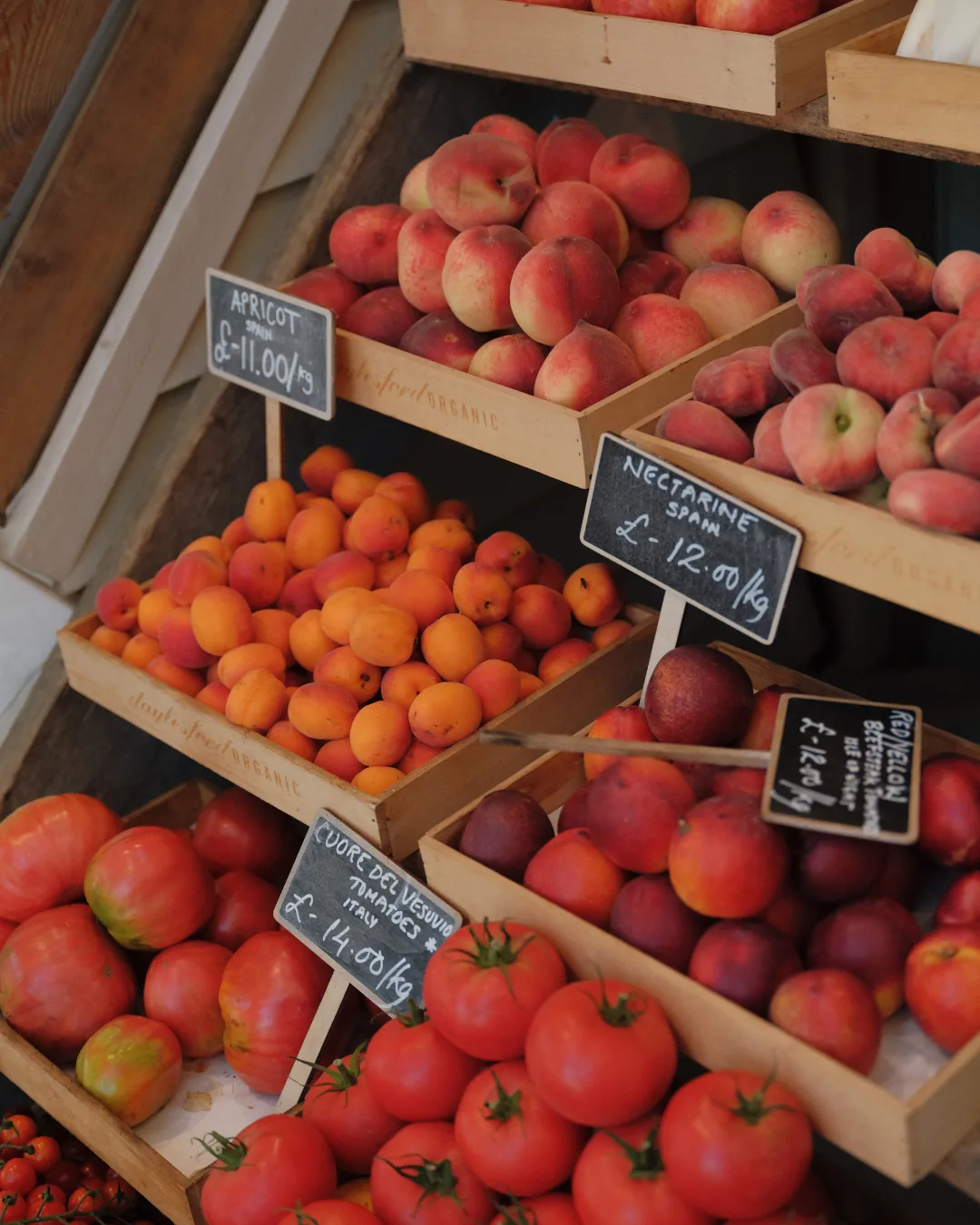
But the criticism is about price and presentation. It is not, when you look at the farming, a criticism of provenance. The land has been organic for close to fifty years. The certification is real and independently audited. The cows are a native breed that needed saving. The abattoir is on site. Whatever you think of the price of the sourdough, the sourdough is what it says it is.
Plenty of brands invoke the word organic. Very few have been doing the work since 1975.
WHY IT SITS IN THIS COLLECTION
Farm & Manor is interested in places where the land is the reason the place exists, rather than the view it was given. Daylesford qualifies, and it qualifies early. It was farming this way for decades before there was an audience willing to pay for it, which is the opposite of how most lifestyle brands are built.
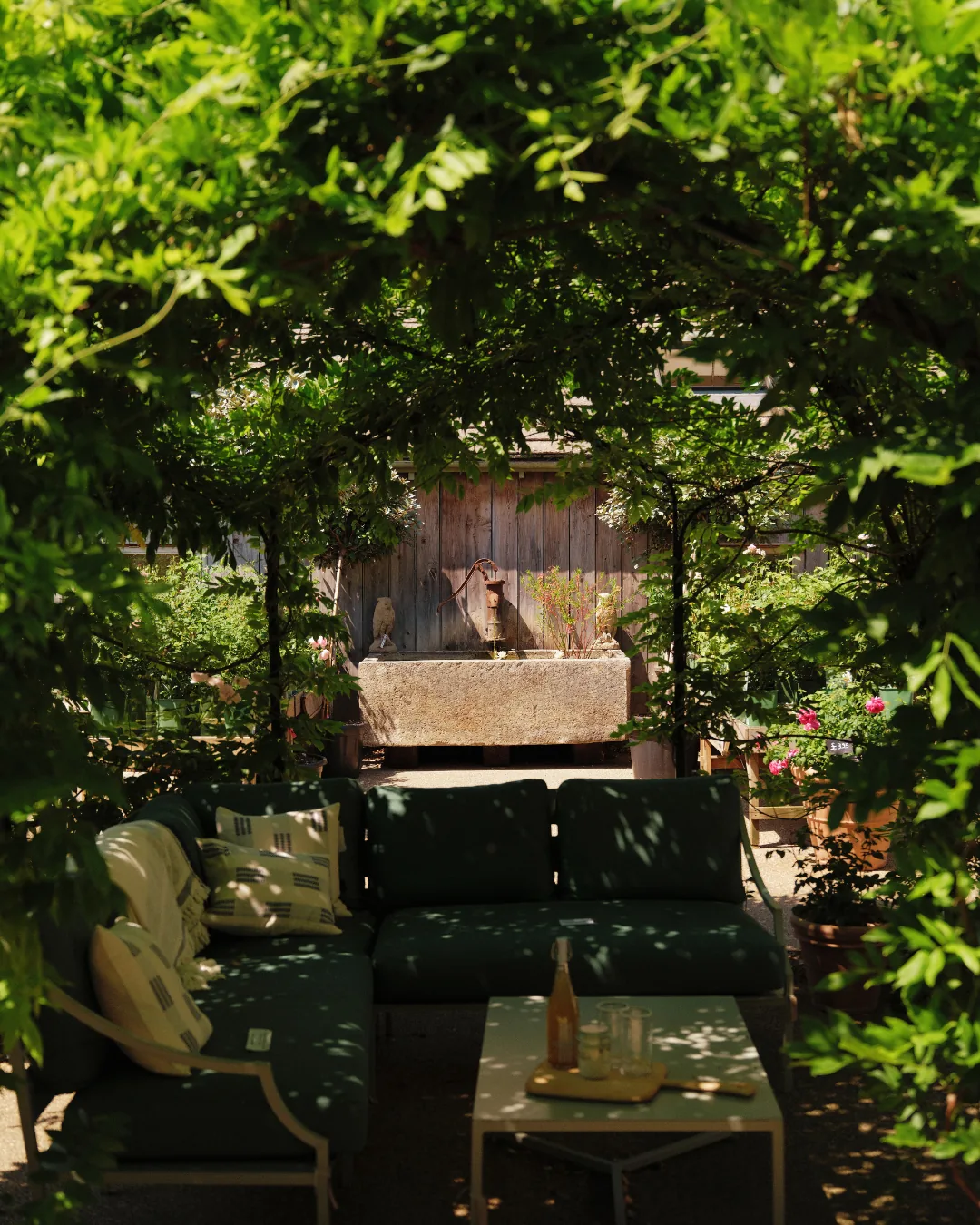
The open question is one of proportion. A farm can support a shop, a restaurant, a cookery school, four inns, a spa and a homeware range, but at some point the tail starts to wag. Whether Daylesford has crossed that line depends largely on which part of it you encounter first.
Arrive at the shop on a busy Saturday and you might conclude it has. Walk the market garden and you would probably decide it has not.
Both reactions are reasonable. What is harder to argue with is the half century of soil underneath all of it, which no amount of branding could have invented and no competitor can buy.
Photographs by Leah Judson.
Share a Post